The Folio · On paper
The sheet that is not a poster
A giclée print and a poster are not the same thing. This letter explains the paper, the ink, and why that difference shows up on your wall.
PortraitLuxe · September 30, 2026 · 12 minutes
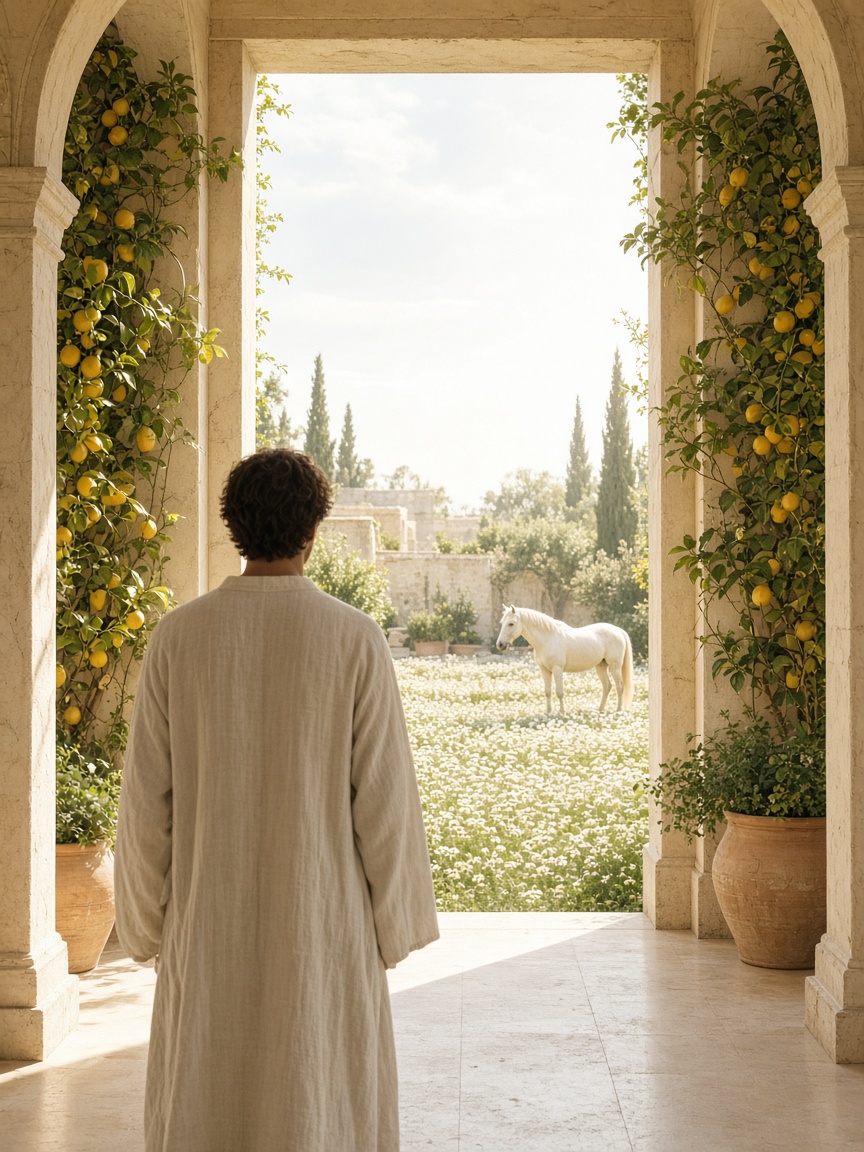
Picture: PortraitLuxe. Made with AI, directed by the house.
Most pictures that end up in a home are posters. That is not an insult. A poster is thin, fast, and printed for a crowd. It is meant to be replaced when you get tired of it. The problem starts when a poster is sold as if it were the same as a print you plan to keep for years.
Giclée is a French word for a spray. In a print shop it means an archival inkjet print: pigment ink on paper that is built to last. The ink is not a cheap dye sitting on shiny stock. It is a fine mist of pigment pushed into fibre that has weight in your hand. When you pick up a good sheet, you feel the difference before you study the picture. The paper does not flop.
What you are buying when you buy a print
You are buying a translation. The picture you saw on a screen has no paper until someone chooses one. Screens add glow. Paper will not invent that glow for you. A serious print uses paper that does not try to look like a screen. Enhanced matte art paper is one of those choices: a natural white, a slight tooth, no glossy shine bouncing back from the window. Highlights stay bright. Darks stay as dark as the pigment can go without turning muddy.
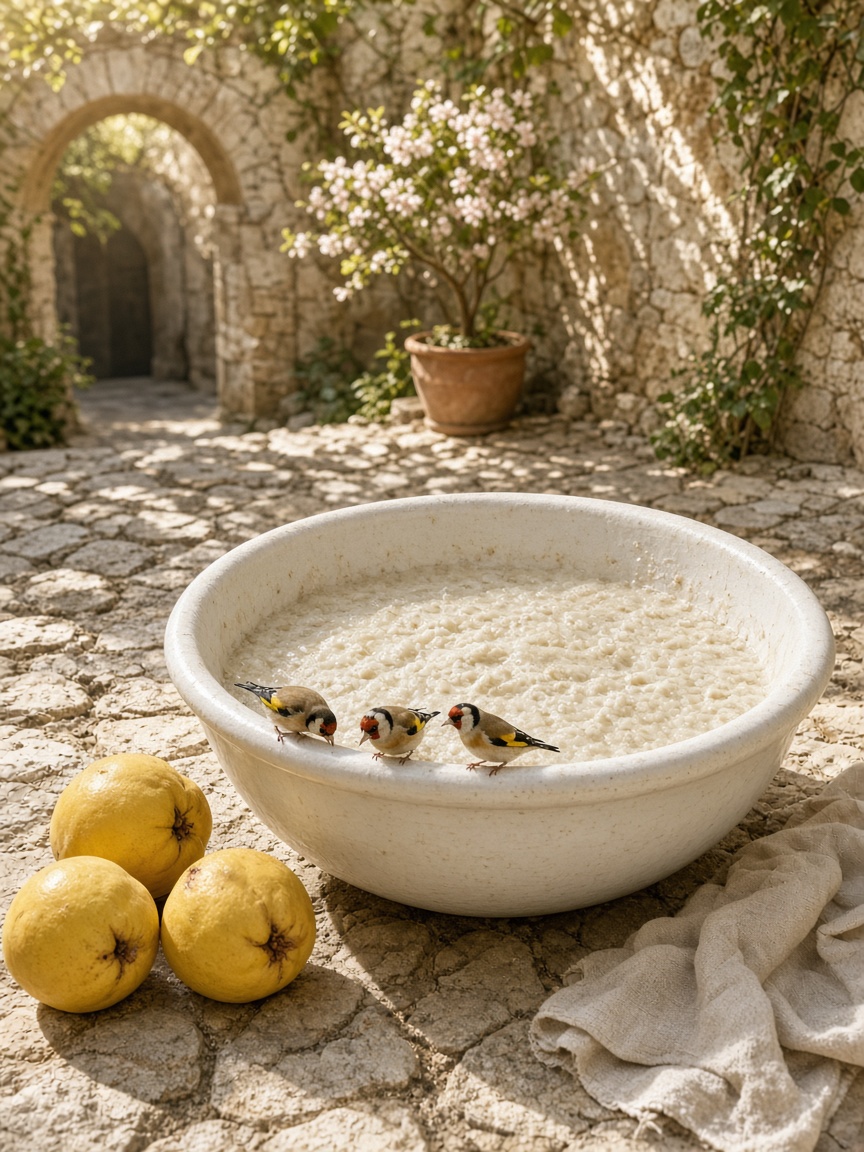
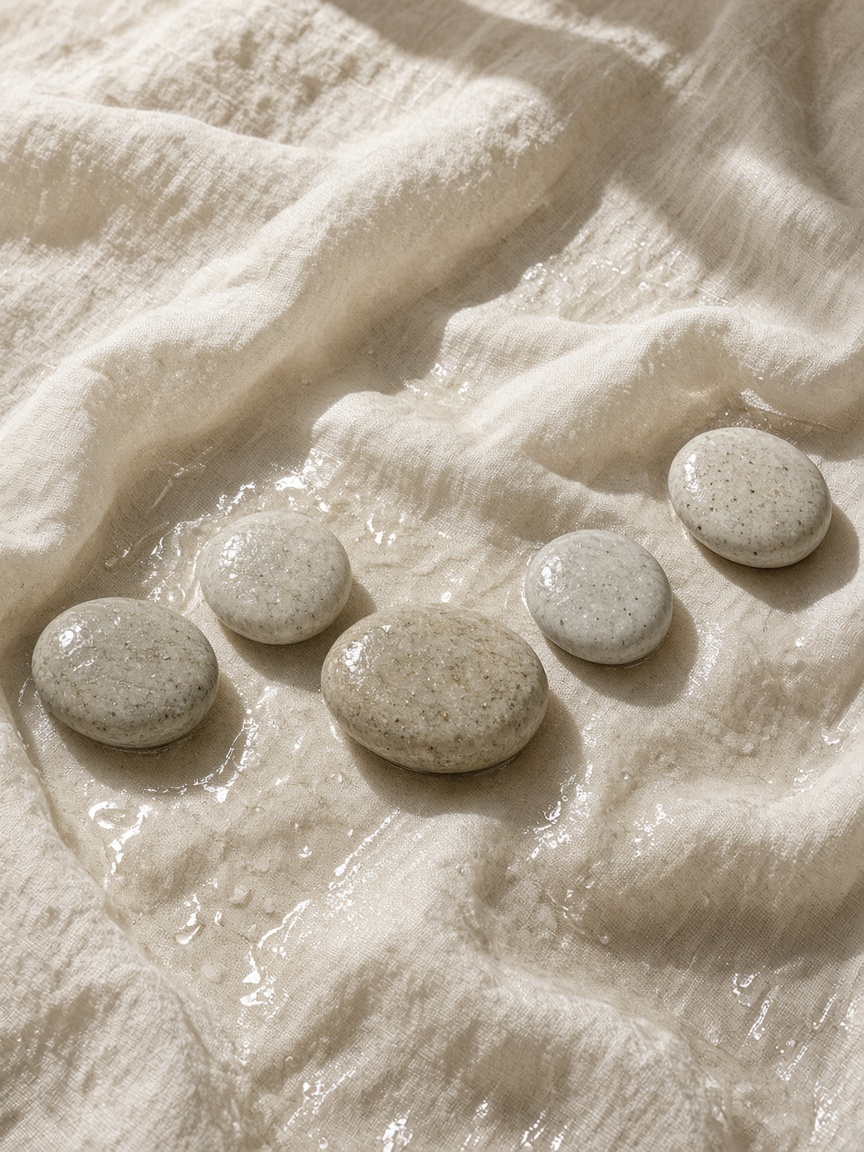
Fine art paper starts wet. This is a picture of that stage, not a factory tour.
Picture: PortraitLuxe. Made with AI, directed by the house.
People ask if giclée is “real printing.” It is as real as any other way of putting colour on a sheet that is meant to last. Lithography has a long history. Letterpress leaves a dent in the paper. Giclée’s honesty is different: it can carry a photograph or a picture directed with AI without first cutting a set of metal plates. The file is already a finished decision. The print should not add a cheaper decision on top.
What a poster loses
A poster is often printed on a machine that is excellent at volume. The colour is tuned for a stack of identical sheets. The paper is tuned for cost. If you love the picture, a poster will show you the idea and lose the air. Edges go a little sweet. Pale golds go a little cheap. You will still recognise the image. You will not quite recognise the light it was made in.
That is why people who care about pictures talk about the sheet. Not because paper gossip is interesting — though it can be — but because the sheet is where the picture either survives or becomes a souvenir. A souvenir is allowed. It should not be confused with a print you would leave on a wall in July, when the sun is hard on colour.
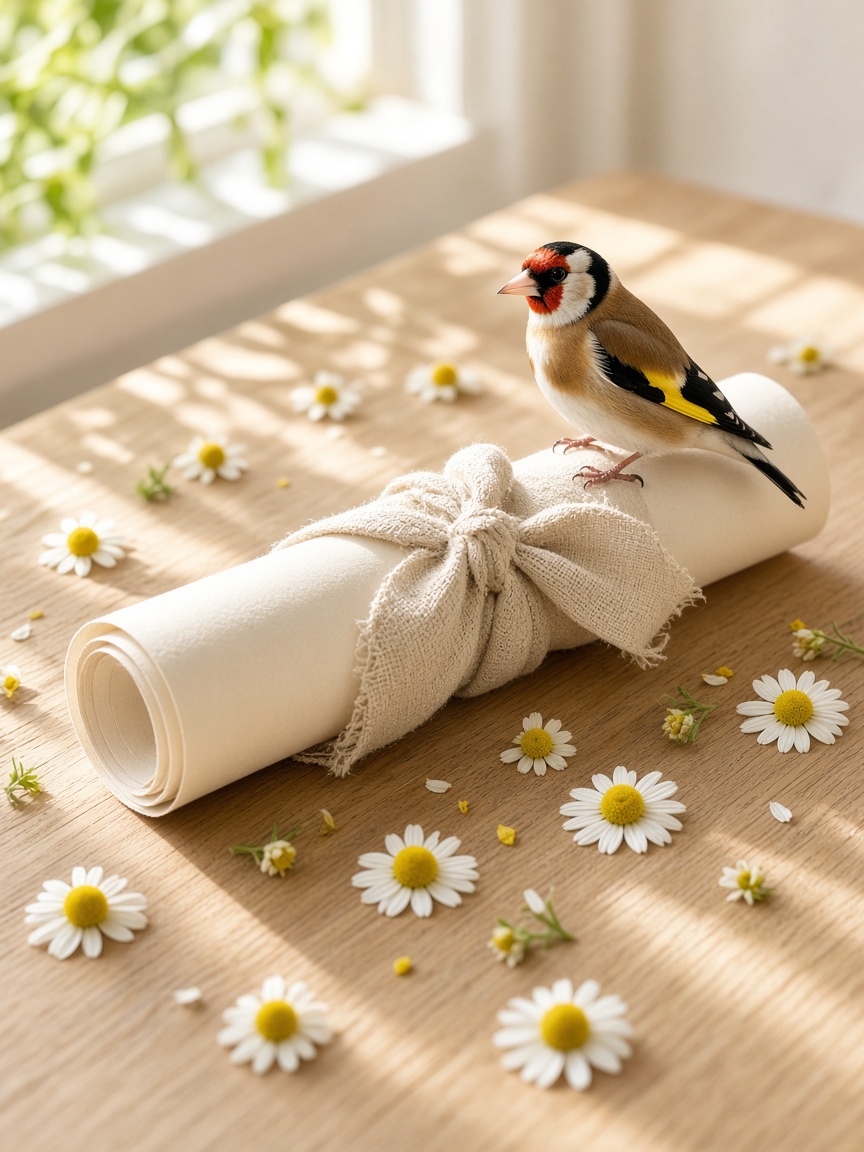
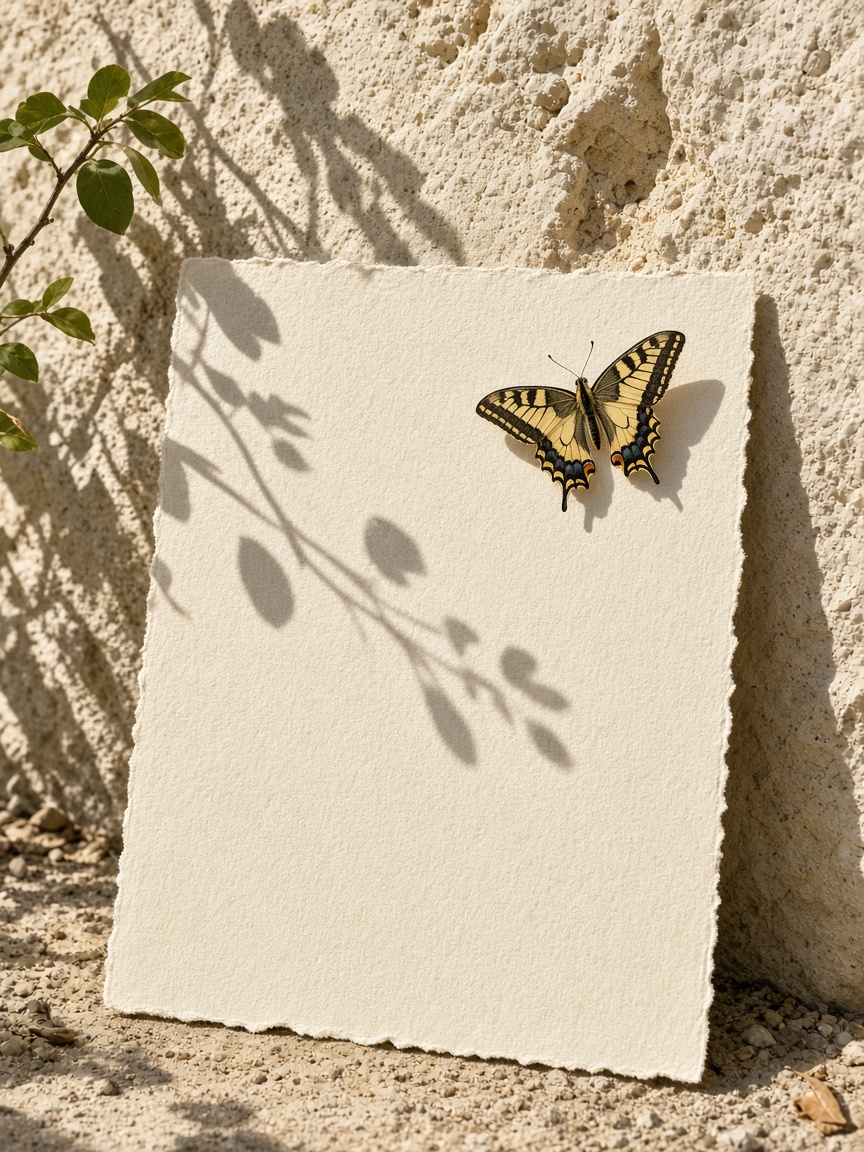
A large print often ships rolled so the paper does not crease. You frame it when you get home.
Picture: PortraitLuxe. Made with AI, directed by the house.
Rolled does not mean unfinished
If you have only bought posters in cardboard tubes, a rolled print can look like something that is not ready. It is ready. Glass and a frame are a later conversation between you and a framer who can see your wall. A frame chosen in another city is someone else decorating your room. A Standard print here is a sheet: Studio at twelve by sixteen inches, Room at eighteen by twenty-four, Hall at twenty-four by thirty-two. Shipping is included. It arrives as a roll because that is how a sheet of this size stays flat across a distance.
Twelve by sixteen is a first print — the size you keep near a desk or a bed. Eighteen by twenty-four holds a wall without pretending to be a mural. All three keep the same 3:4 crop as the pictures on the public wall. The picture is not stretched to fit a cheaper rectangle.
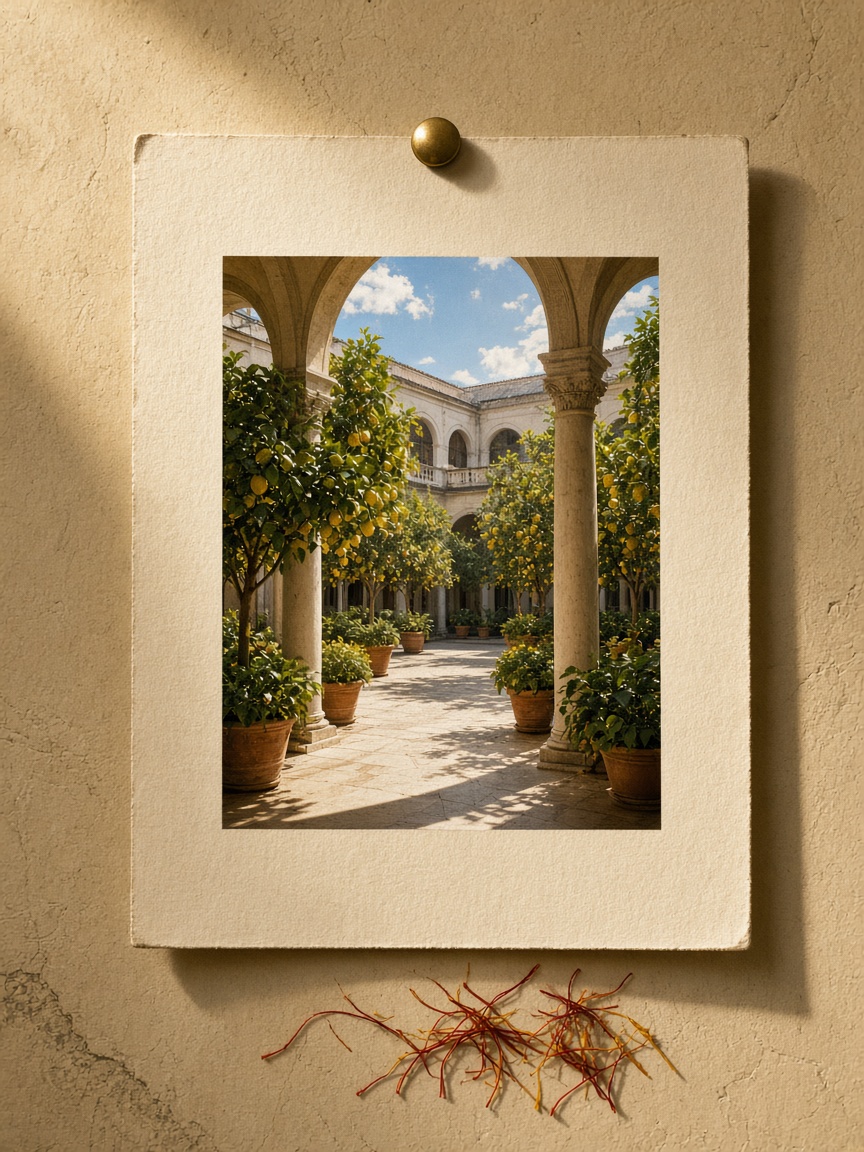
You can hang a sheet with very little. The picture does the work.
Picture: PortraitLuxe. Made with AI, directed by the house.
A print is not the same as the edition
This is where a lot of shops get loose with language. A numbered edition is a promise about how many of a picture exist as the work. A Standard print is a sheet of that picture, and it uses one of those places so the promise is not empty. If three remain of five, a print takes one. When the edition is complete, the print is no longer offered. You can still inquire, because wanting the numbered work is a conversation, not a second checkout button.
If you came here from a search for giclée, or fine art print versus poster, you already know the words. The rest is looking. Walk the wall. If a picture stays with you, look at it first. Then, if you want the sheet in a room, you can order a Standard print. If you want the numbered work itself, write to the house.