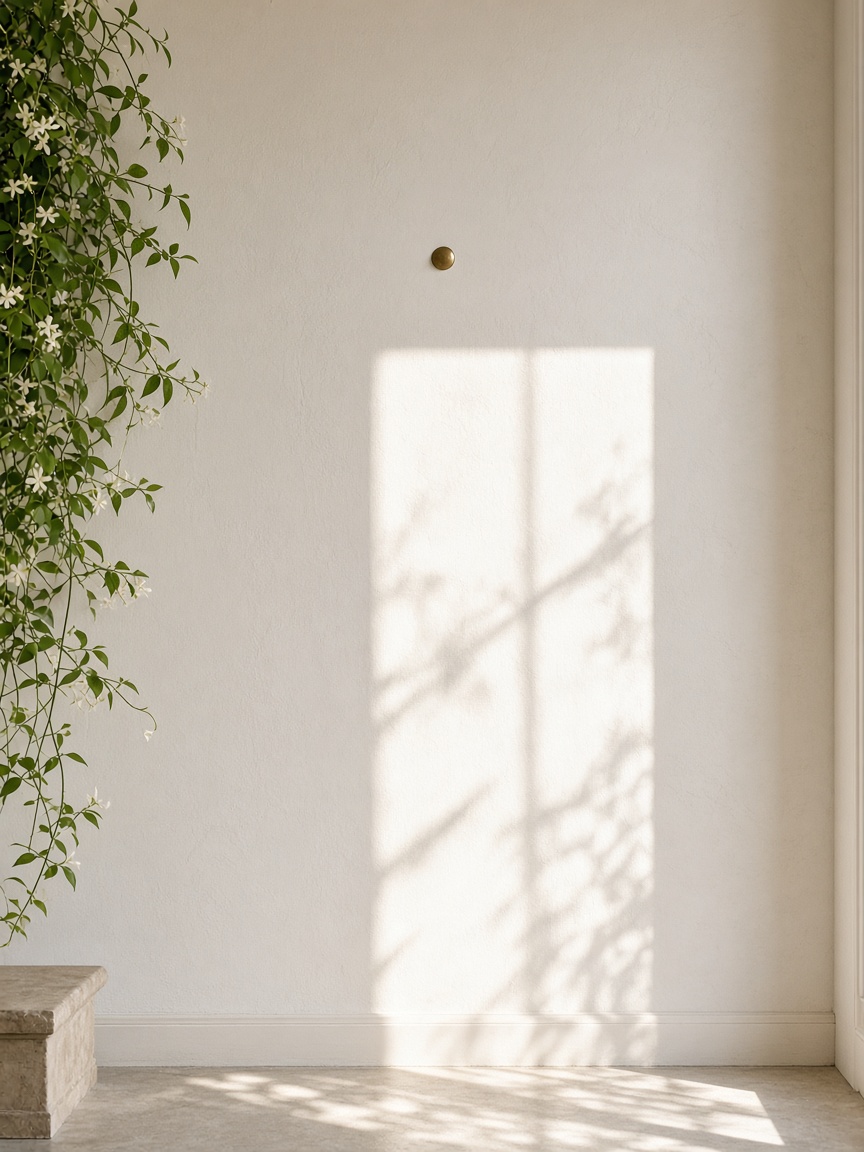
The Folio · On light
The hour the still keeps
Every picture is made in a kind of light. That time of day is part of what you are looking at — not a filter you add later.
PortraitLuxe · September 30, 2026 · 13 minutes
Picture: PortraitLuxe. Made with AI, directed by the house.
A lot of pictures on a screen are not of a place. They are of a mood. Someone chose dusk, amber, or a crushed black in the corner because that look has already been sold as seriousness. The picture arrives looking expensive and slightly sad. You have seen it so often that you may have begun to believe art is a room with the lights lowered.
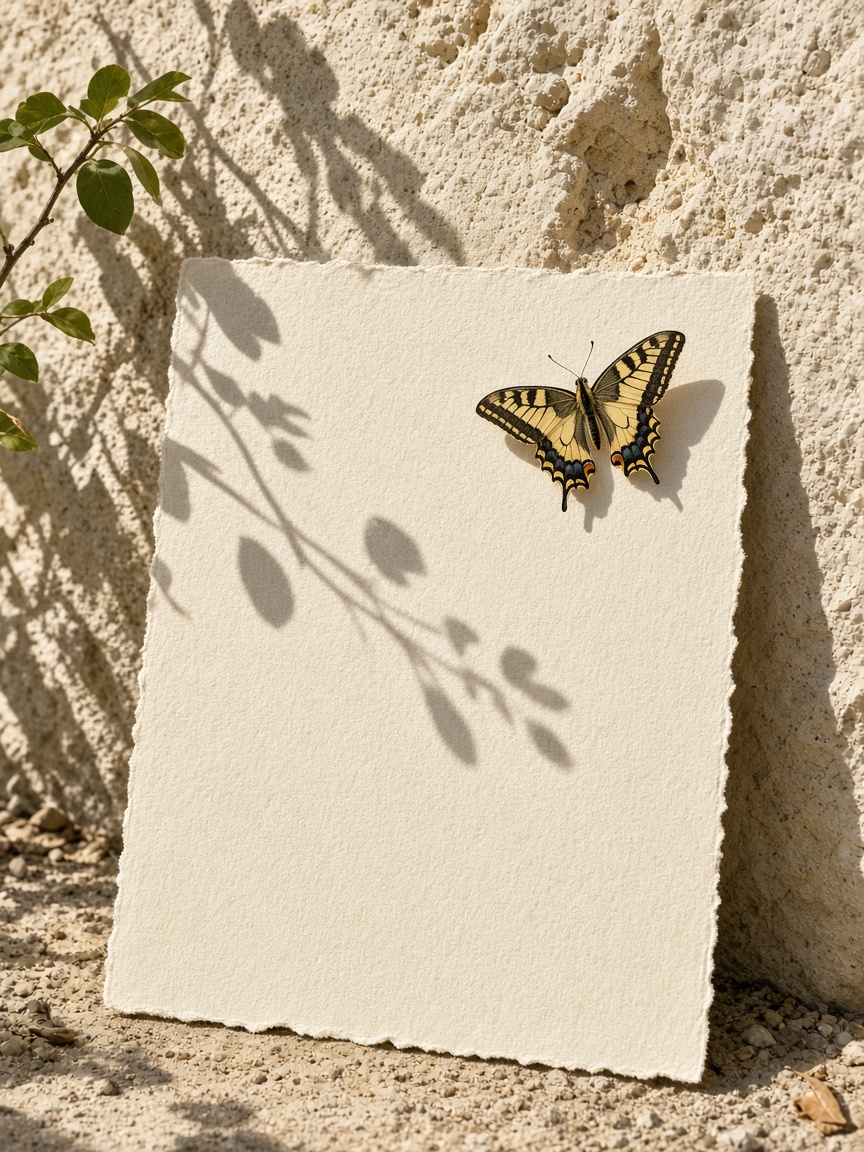
A picture that keeps its hour is the opposite of that habit. The hour is the time of day the artist chose, not a preset. Noon on stone. Late morning on a fruit. Thin shade under paper umbrellas that does not cancel the day, only folds it. If you can name the time of day, you are looking at a decision. If you cannot, you may be looking at a default.
Golden hour is not the only honest light
People speak of golden hour as if it were the only honest light. It is a beautiful hour. It is also a crowded one. The internet has taught a generation of makers that warmth is a slider and that evening is where meaning lives. Evening is also where a certain kind of postcard lives. If every picture needs to be unique, you cannot live there every day.
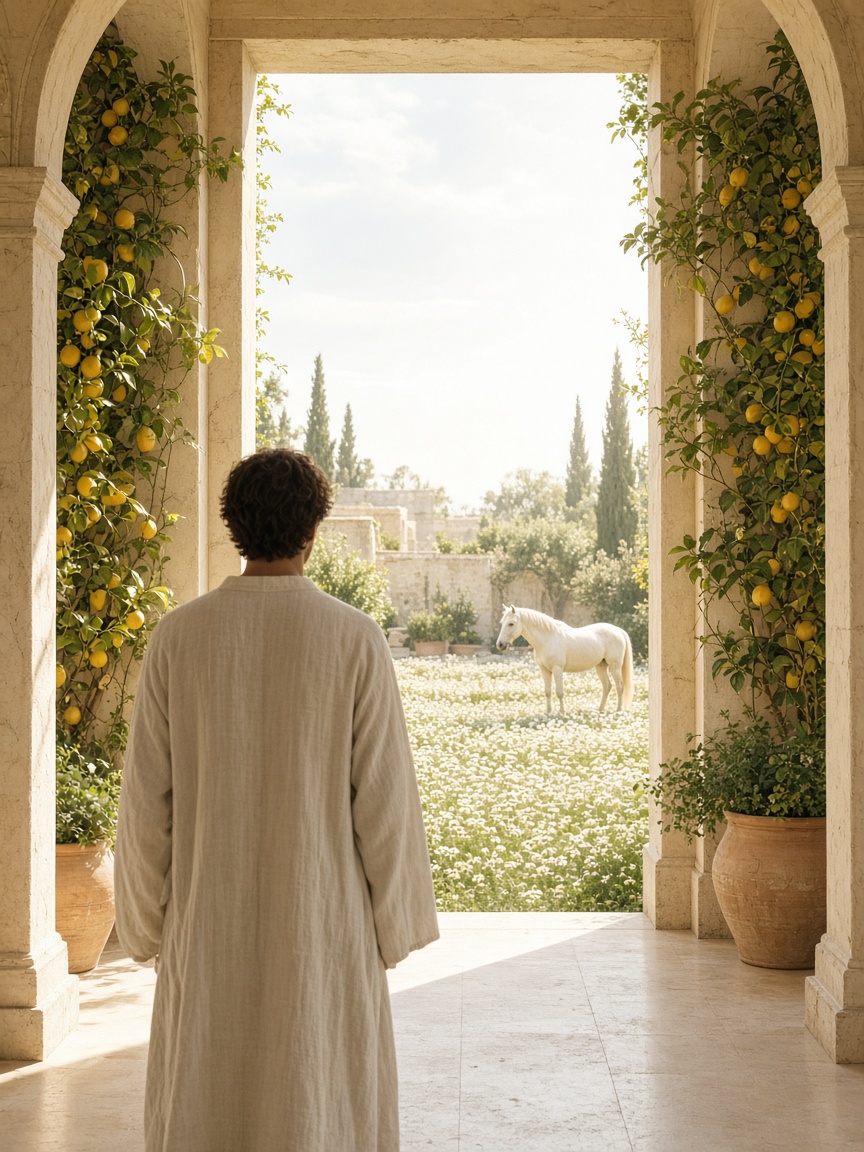
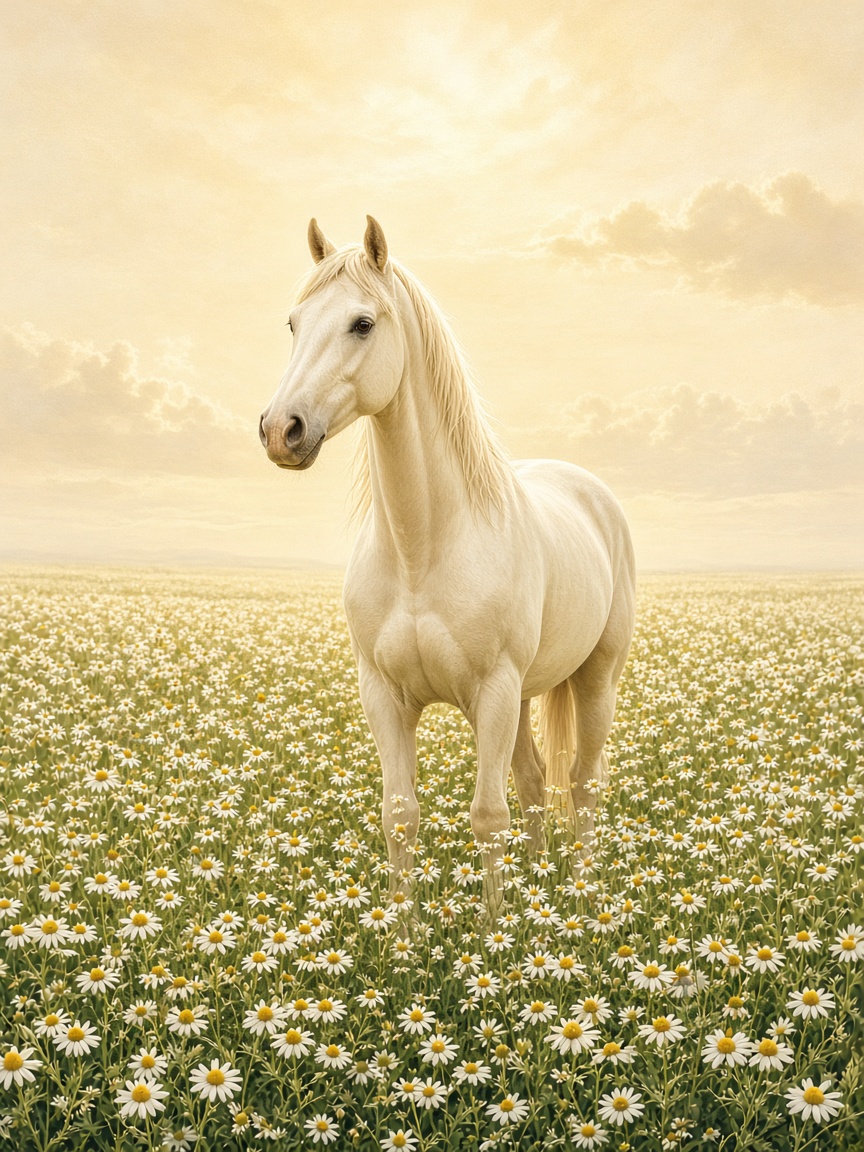
Bright daylight — cream, sky, citrus, blossom, a white flare that is almost rude — is harder to fake into importance. It shows the crop. It shows the paper of a print. It shows whether a picture was invented or only tinted. Natural light in a picture is not a style. It is a refusal to hide the subject in atmosphere you bought by the gallon.
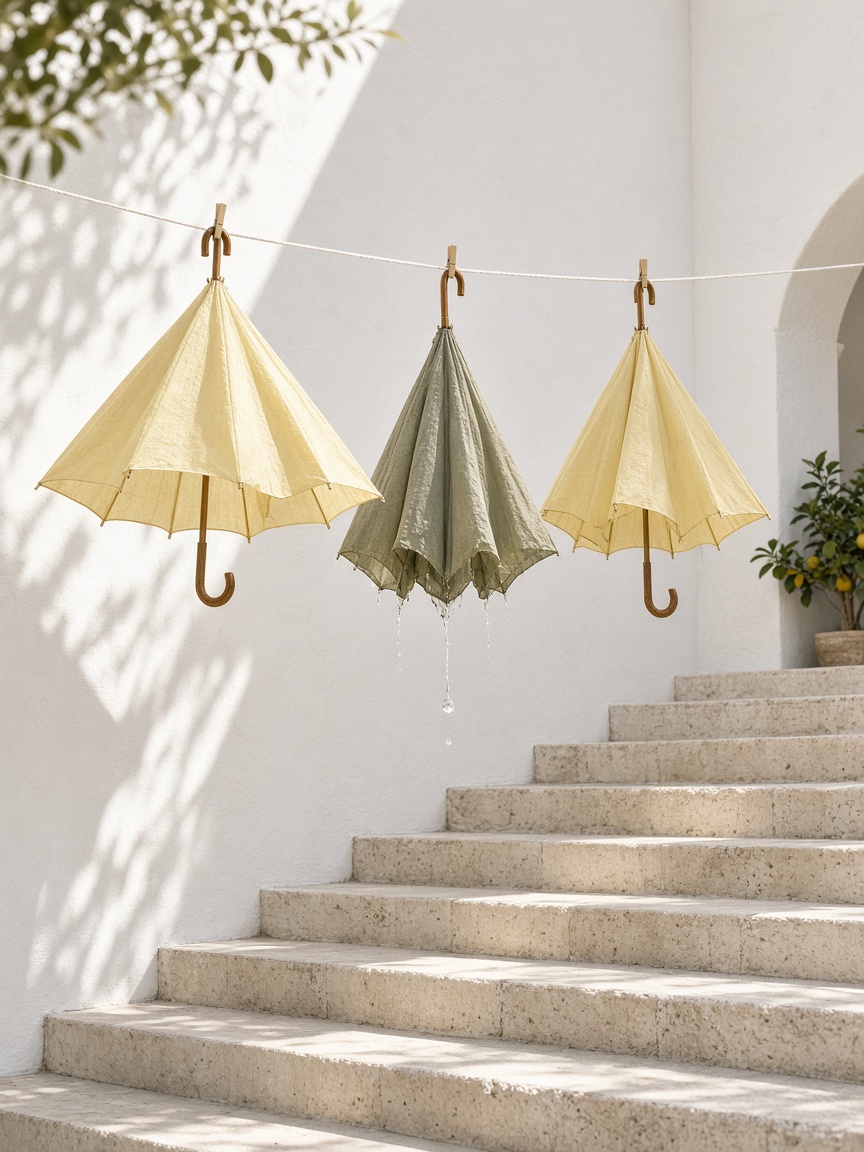
Shade is not the same as gloom. These umbrellas fold the day. They do not cancel it.
Picture: PortraitLuxe. Made with AI, directed by the house.
Night, ruin, and deep black are allowed when they are chosen. They should not be the default. A gloomy default is a mill’s shortcut: if every picture is dim, none of them have to be specific. In photography, and in a picture directed with AI, light is the first specific choice. After that comes the subject. After that, the crop.
What a screen does to an hour
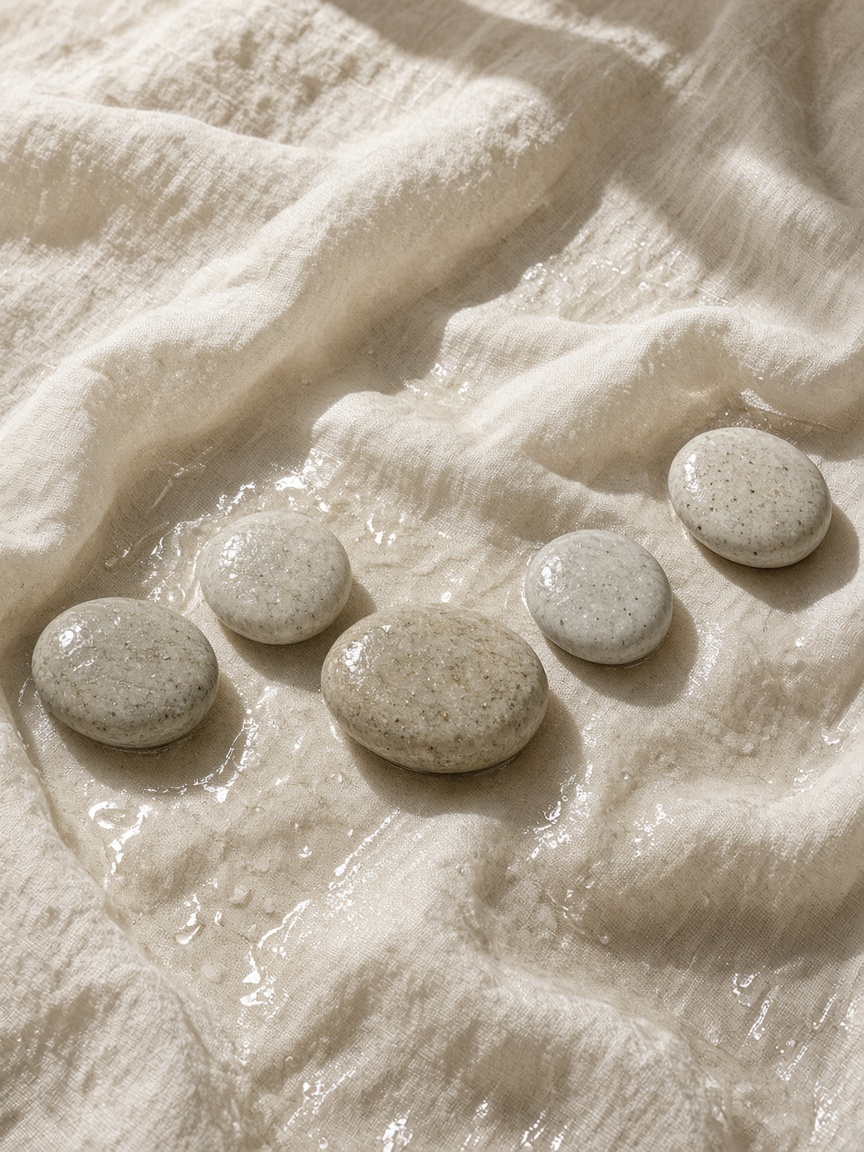
A phone will try to help. It will lift the shadows and sweeten the highlights until noon looks like a brochure. If you are looking at a picture, give the screen a chance to be a lamp, not a billboard. Stand near a window if you can. Daylight on glass is unkind and useful. It will tell you whether the hour in the picture can survive a real room — which is the only test that matters if you ever want the sheet on a wall.
A giclée will not invent the glow a screen adds. That is not a failure of paper. It is paper telling the truth. The hour has to be in the file. If the picture was made of glare, the print will be glare. If it was made of light, the print will keep a quieter version of that light, the way a room keeps morning after you have left it.
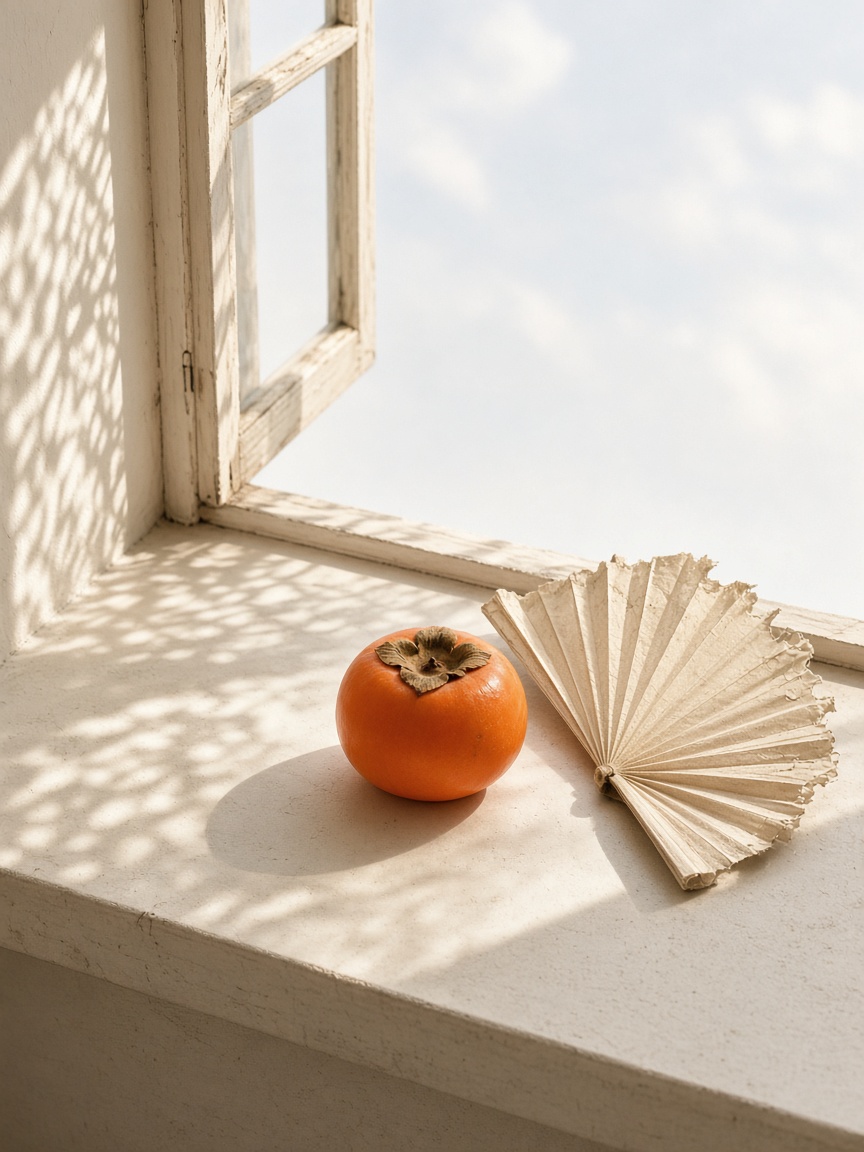
Colour without a time of day is a swatch. Colour in this light is a picture.
Picture: PortraitLuxe. Made with AI, directed by the house.
How to look at the light
Do not start with the subject. Start with where the brightest thing is, and whether that brightness feels believable. Then find the shade — not the black, the shade — and ask if it still belongs to the same day. Then look at what the artist put in the light: a glass, a fruit, a hive. Looking at light in paintings is the same lesson in another century. The subject is often an excuse for the hour.
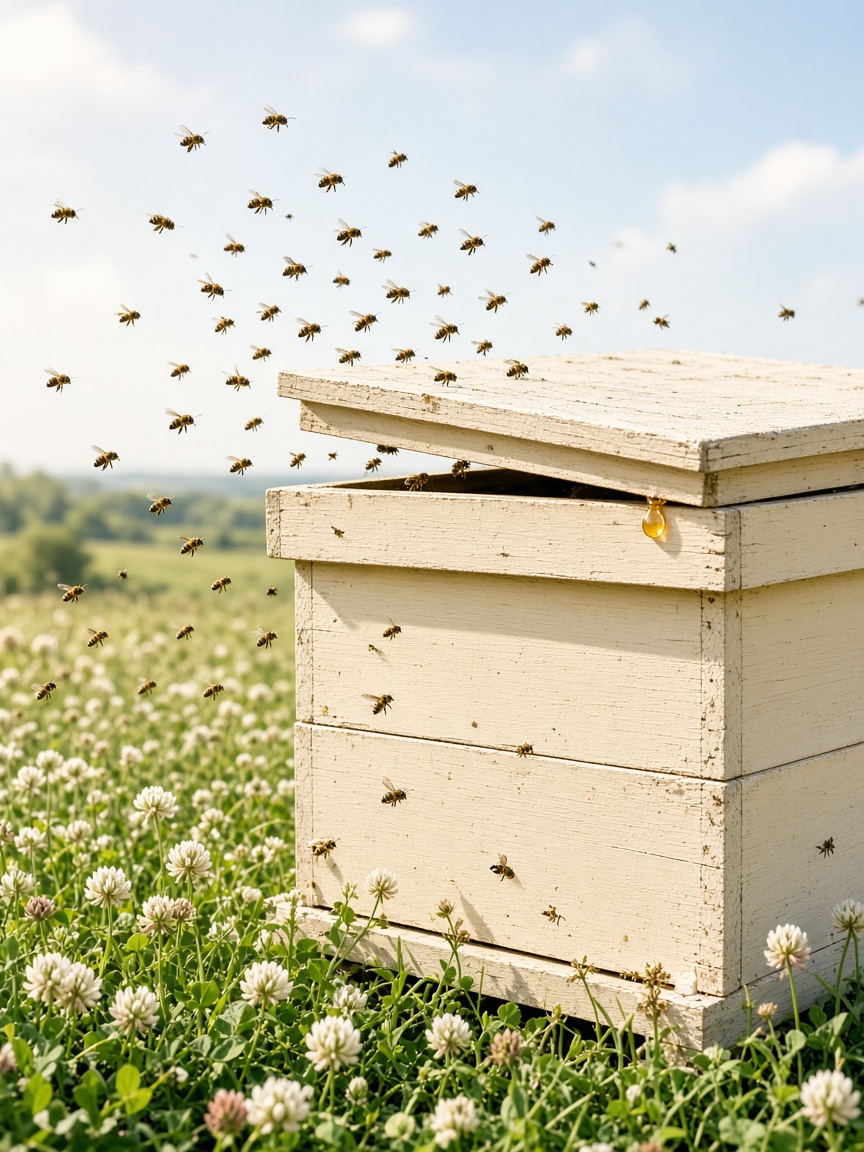
Work in daylight. Importance does not require turning the lamps down.
Picture: PortraitLuxe. Made with AI, directed by the house.
If you make pictures, name the hour before you name the object. If the image could exist at any time of day, it will look like it exists in none. If you need dusk, write dusk. If you need rain, write rain. Do not let a gloomy preset decide you are making something important.
If you collect, when a picture keeps you, ask whether you could live with that light in July, when your own windows are hard. A picture that only works at midnight on a phone will sulk on a wall. Walk the public wall. Look first. If that light should stay in your room, a Standard print can ship. If the numbered work is what you want, write.